
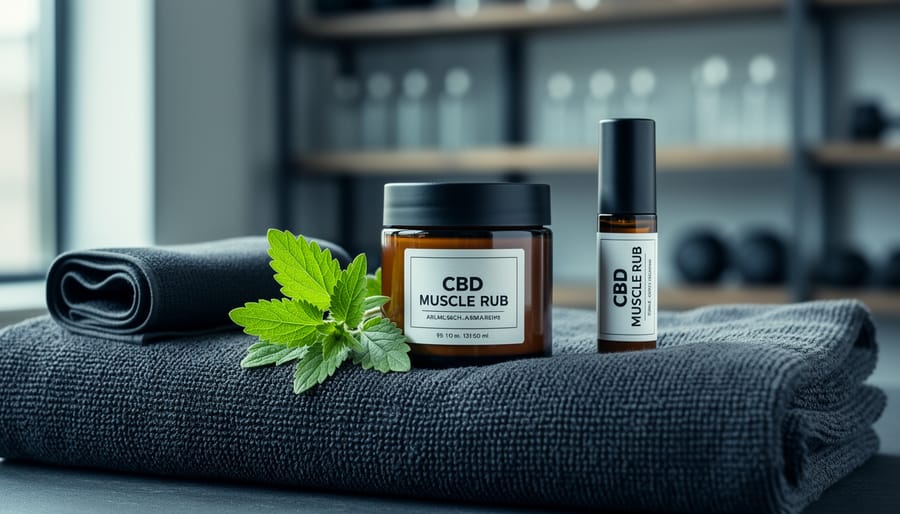
CBD muscle rub delivers cannabidiol directly through your skin to target localized discomfort, combining the therapeutic potential of CBD with traditional topical ingredients like menthol, arnica, and camphor. Unlike standard muscle balms, quality CBD topicals contain concentrated cannabidiol (typically ranging from 300mg to 1500mg per container) that interacts with cannabinoid receptors in your skin and underlying tissue, offering a wellness approach you’re already familiar with if you’ve explored other CBD delivery methods.
The key difference lies in understanding what you’re actually getting. Third-party lab verification matters just as much here as it does with any CBD product you’d consider. Reputable formulations undergo independent testing to confirm CBD content and verify THC levels (quality products contain 0.00% THC and 99%+ pure CBD). The testing lab’s accreditation is worth checking, not just the certificate itself.
You’ll find CBD muscle rubs in several formats: roll-on sticks designed as gym bag essentials for targeting specific sore spots, traditional balm pots for broader application, and cream formulations. Potency varies significantly. Some products contain 300mg of CBD per unit, while others pack 1500mg into each container alongside organic ingredients like Canadian Black Spruce and camphor.
For vape enthusiasts already evaluating terpene profiles and extraction methods, assessing CBD muscle rubs follows similar principles. Ingredient transparency, verified potency, and manufacturing standards determine whether you’re getting an effective product or paying premium prices for underdosed formulations. This guide breaks down exactly what separates quality options from marketing hype.
What Makes CBD Muscle Rub Different from Regular Topicals
CBD muscle rub stands apart from the traditional topical balms and cooling gels you might grab after a tough gym session. While conventional muscle rubs rely primarily on counterirritants like menthol or capsaicin to create a sensation of heat or cold that distracts from discomfort, CBD muscle rubs work differently at the source.
When you apply CBD topical products to your skin, the cannabidiol interacts with cannabinoid receptors in your skin and underlying tissues without entering your bloodstream. This localized approach means you’re targeting specific areas directly, which is a fundamentally different mechanism than CBD gummies vs vape delivery methods that work systemically.
The effectiveness of CBD muscle rubs depends heavily on several topical CBD absorption factors including the carrier ingredients that help CBD penetrate the skin barrier. This is where product quality varies dramatically. High-quality formulations combine CBD with carrier oils and complementary botanicals that enhance absorption and provide additional benefits.
For example, products on the market range from 300mg CBD concentrations to premium options containing 1500mg per pot, often paired with organic ingredients like camphor, arnica, and Canadian Black Spruce. These aren’t just filler ingredients; they work synergistically with CBD to support muscle recovery in ways that single-ingredient traditional rubs can’t match.
The category is gaining traction because it bridges two wellness approaches. You get the familiar targeted relief experience of traditional muscle rubs, but with CBD’s interaction with your body’s endocannabinoid system added to the equation. This combination appeals especially to people already familiar with CBD quality standards, like those who’ve evaluated vape products or other CBD formats and understand what to look for in terms of purity and third-party verification.
Key Ingredients to Look For (Beyond Just CBD)
CBD Concentration: How Much Is Enough?
CBD concentrations in muscle rubs typically range from 300mg to over 1500mg per container, and understanding this spectrum helps you match potency to your needs. The numbers matter, but they’re just part of the equation.
Entry-level products around 300mg work well for occasional muscle tension and targeted spot treatment. These lower concentrations let you test CBD topicals without a significant investment, making them sensible first purchases if you’re new to the category. They’re also practical for maintenance use when you’re not dealing with intense discomfort.
Mid-range options between 500mg and 1000mg offer a noticeable step up in potency. Many regular users find this sweet spot effective for post-workout recovery and moderate muscle soreness. The concentration delivers enough CBD per application to make a difference without requiring heavy-handed use.
High-potency formulas starting at 1500mg cater to serious athletes and those addressing persistent muscle issues. These concentrated versions let you apply smaller amounts while maintaining effectiveness, which actually extends how long a container lasts. The higher price tag per unit often balances out when you factor in usage rates.
Container size matters alongside concentration. A 300mg product in a small roll-on stick gives you different coverage than 1500mg in a larger pot. Calculate the CBD per gram or ounce to compare products fairly, and consider how frequently you’ll use it before committing to a particular potency.
Supporting Botanicals That Boost Results
Quality CBD muscle rubs are rarely just CBD and carrier oil. The most effective formulas combine CBD with time-tested botanicals that address muscle discomfort through complementary mechanisms, creating results that exceed what any single ingredient could achieve alone.
Organic camphor stands out as perhaps the most common and valuable supporting ingredient. This natural compound produces a warming sensation that increases blood flow to the application area, helping CBD penetrate more effectively while providing its own soothing properties. When you see “organic camphor” on the label, you’re looking at a formula designed for enhanced absorption, not just surface relief.
Arnica has earned its place in premium formulas through centuries of traditional use for muscle soreness and recovery. This botanical extract works alongside CBD by targeting the same general areas of concern, offering a dual-action approach that addresses discomfort from multiple angles. Products listing arnica montana or arnica montana flower extract signal a more comprehensive formulation strategy.
Canadian Black Spruce represents a less common but increasingly valued addition. This evergreen extract brings additional plant compounds that complement CBD’s properties, particularly in higher-potency formulas where botanical synergy matters most.
The key is recognizing these supporting ingredients as essential players, not afterthoughts. A 1500mg CBD pot enhanced with camphor, arnica, and spruce isn’t just stronger, it’s fundamentally different from straight CBD alone.
Understanding Third-Party Lab Testing and THC Content

Lab reports aren’t just paperwork. They’re your assurance that what’s on the label matches what’s in the container, and for CBD muscle rubs, that verification matters more than you might think.
Third-party testing means an independent lab, not the manufacturer, analyzes the product. This removes the conflict of interest. You want verification from an accredited facility that has no financial stake in the results. When a CBD muscle rub claims 0.0% THC and 99%+ CBD purity, the lab report proves it. Without that documentation, you’re taking the brand’s word on faith.
Start by checking if the brand makes lab reports easily accessible. Reputable companies post them on their website or provide QR codes on product packaging that link directly to results. If you have to email customer service multiple times to see a report, that’s a red flag.
The lab itself deserves scrutiny. Look for accreditation from recognized bodies and established reputations in the cannabis testing industry. A credible lab will test for cannabinoid content, verify there’s no THC present, and screen for contaminants like heavy metals, pesticides, and residual solvents from extraction processes.
THC content is especially critical. Even trace amounts can accumulate with regular use, and THC legal limits vary by state. Products verified at 0.0% THC eliminate this concern entirely, whether you’re subject to workplace testing or simply prefer zero psychoactive compounds.
The 99%+ CBD purity claim tells you the quality of the extract itself. Lower purity means more plant matter, carrier oils, or other compounds making up the difference. Higher purity doesn’t always mean better effectiveness since other botanicals contribute to the formula, but it does confirm you’re getting concentrated CBD, not diluted extract.
Check the test date too. CBD degrades over time, so reports should be recent and batch-specific. Generic lab results from a year ago don’t tell you anything about the container you’re buying today.
Application Types: Roll-Ons, Pots, and Sticks
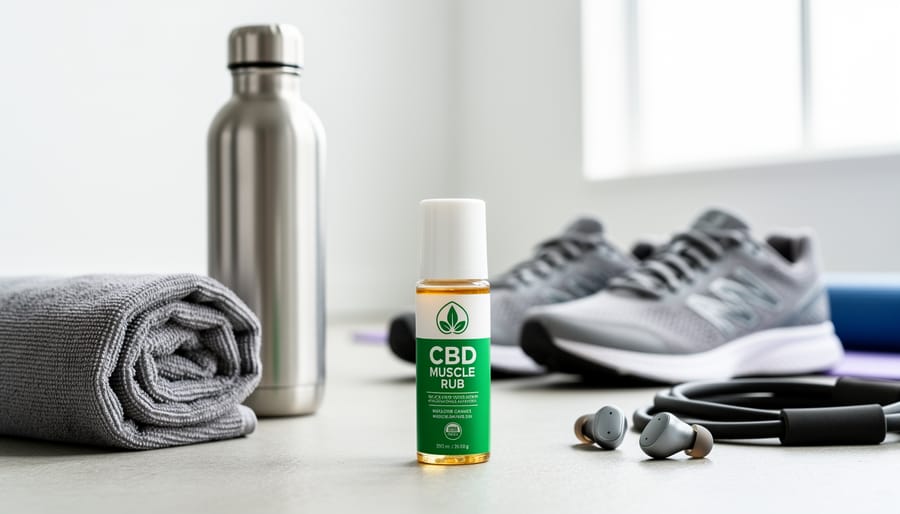
CBD muscle rubs come in three main formats, each designed for different situations and preferences. Understanding these options helps you choose the delivery method that fits your lifestyle and target areas.
Roll-on sticks have become gym bag essentials for good reason. They look like oversized lip balms and let you apply product directly to sore spots without getting your hands messy. The built-in applicator makes them perfect for quick relief after workouts or during the day when you need targeted application but can’t wash your hands immediately. Roll-ons typically hold 1.76 oz (50g) and work best for smaller, specific areas like shoulders, elbows, or calves.
Pots contain a thicker balm consistency and usually offer higher CBD concentrations. Products with 1500mg of CBD per pot provide serious potency for those who need more intensive relief. The trade-off is application: you’ll need to scoop the product with your fingers and massage it into the skin, which takes more time but gives you better control over how much you use and ensures thorough coverage. Pots work brilliantly for larger muscle groups like quads, hamstrings, and back muscles where you need to cover more surface area.
| Format | Best Use Case | Portability | Coverage Area |
|---|---|---|---|
| Roll-On Stick | Quick spot treatment, on-the-go application | Excellent (no mess) | Small, targeted areas |
| Pot/Balm | Deep tissue work, large muscle groups | Good (requires hand washing) | Large areas |
| Cream/Lotion | Full-body application, daily use | Moderate (may leak) | Variable coverage |
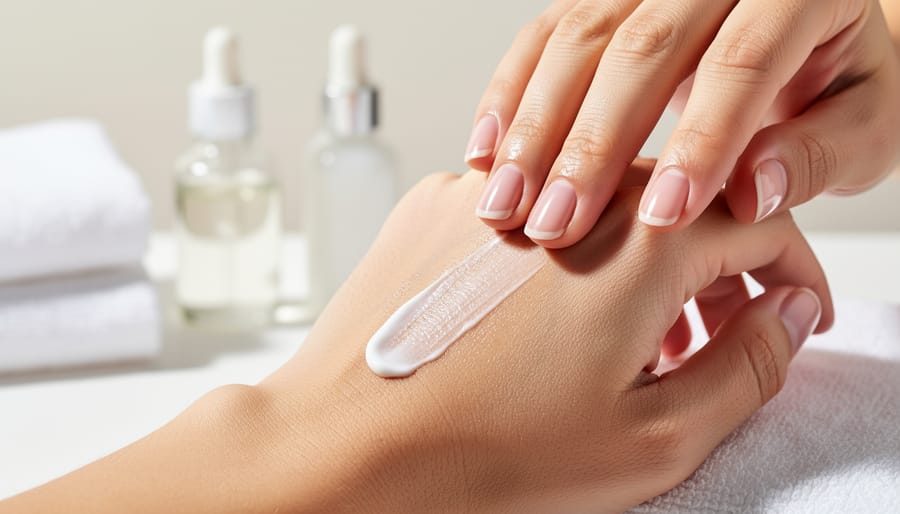
Some manufacturers also offer cream or lotion formulations that spread more easily than balms but absorb faster than thick pots. These work well for daily maintenance or when you’re treating multiple areas in one session.
Your choice ultimately depends on whether you prioritize convenience (roll-ons), potency (pots), or spreadability (creams). Many users keep a roll-on in their gym bag for immediate post-workout relief and a pot at home for deeper evening recovery sessions.
When and How to Use CBD Muscle Rub
Getting the most from your CBD muscle rub comes down to timing and technique. Here’s what works.
Pre-Workout Application
Apply CBD muscle rub 15-20 minutes before exercise to warm up target areas. Focus on muscles you’ll be working hardest, quads before leg day, shoulders before upper body sessions. Use a thin layer and massage it in thoroughly. The goal isn’t saturation; it’s preparing the muscle tissue for what’s coming.
Post-Workout Recovery
This is where most users see the clearest benefits. Apply within 30 minutes after training when muscles are still warm and blood flow is elevated. Work the rub into fatigued areas using firm, circular motions. Don’t just smear it on the surface, spend 60-90 seconds really working it into each muscle group. Your hamstrings, lower back, and shoulders typically need the most attention.
Amount and Coverage
A dime-sized amount covers roughly a 4×4 inch area. Most users underestimate how much they need. For larger muscle groups like thighs or full back coverage, you’ll use more than you think. Roll-on sticks make portion control easier and reduce waste, while pots give you more control for targeted application.
Maximizing Effectiveness
Layer your application. Start with a base coat, let it absorb for two minutes, then add a second layer to particularly sore spots. Keep the area exposed to air for five minutes before covering with clothing, immediate compression can limit absorption.
For recovery days, apply once in the morning and once before bed to maintain consistent coverage. Pay attention to what your body tells you. Some areas respond faster than others.
What to Expect: Setting Realistic Expectations
CBD muscle rub isn’t a magic solution that instantly erases discomfort the moment you apply it. If you’re expecting immediate, dramatic relief comparable to pharmaceutical pain medications, you’ll likely be disappointed. What you can reasonably expect is a gradual cooling or warming sensation within 15-30 minutes of application, followed by a period where targeted areas may feel more comfortable during recovery.
Individual experiences vary significantly based on factors like CBD concentration (ranging from 300mg to 1500mg per container), your body’s unique response, the severity of muscle tension, and how consistently you apply the product. Some users report noticeable effects within the first application, while others find the benefits become more apparent after several days of regular use.
CBD muscle rub works differently than oral CBD products or CBD for arthritis applications, since topical absorption targets localized areas rather than your entire system. It won’t address underlying injuries or medical conditions, and it shouldn’t replace professional medical advice when you’re dealing with persistent issues.
Common misconceptions include thinking higher CBD concentrations automatically mean better results, or that products without third-party lab verification work just as well as tested ones. The reality is that quality matters as much as potency, and a well-formulated 300mg rub with complementary botanicals like arnica and camphor can sometimes outperform a poorly made 1500mg product. Approach CBD muscle rub as one tool in your recovery routine, not a standalone cure-all.
Choosing Your First CBD Muscle Rub
Starting with your first CBD muscle rub doesn’t need to be overwhelming if you focus on a few key decision points. Think of it like choosing your first quality vape device: you want verified performance, transparent information, and a product that matches your specific needs.
Begin by clarifying what you’re actually trying to address. Are you dealing with post-workout soreness, chronic tension in specific areas, or general muscle fatigue? This determines whether you need a higher concentration (1000mg+) for targeted relief or a moderate strength (300-500mg) for broader application. Your usage pattern matters too, daily users might prefer a cost-effective pot format, while occasional users might value the convenience of a roll-on stick.
When evaluating options, use this essential checklist:
- Third-party lab verification with accessible test results showing THC and CBD levels
- Clear ingredient list with concentrations specified (not just “contains CBD”)
- Transparent sourcing information for both CBD and supporting botanicals
- Realistic product claims that don’t promise miracle cures or instant results
- Appropriate price point relative to CBD concentration and container size
Red flags should immediately disqualify a product from consideration. Walk away if the brand can’t provide lab reports, makes medical claims about treating specific conditions, or stays vague about CBD concentration. Similarly, avoid products with suspiciously low prices, quality CBD isn’t cheap, and wholesale pricing typically starts around $75 for a 300mg product, giving you a baseline for retail expectations.
Don’t chase the highest concentration as a default. A 300mg rub used consistently often outperforms a 1500mg product gathering dust because it’s too thick or inconvenient. Consider texture preferences, scent tolerance, and whether you need something portable. Your first purchase is a learning experience: start with a smaller size if possible, and pay attention to how your skin responds before committing to bulk quantities.
The vaping community has always valued quality, transparency, and informed choices. You’ve learned to read lab reports, evaluate ingredients, and spot marketing hype from genuine product excellence. That same discerning approach serves you perfectly when exploring CBD muscle rubs.
This emerging wellness category rewards the research skills you’ve already developed. Just as you wouldn’t choose a vape product without checking third-party testing and ingredient lists, CBD muscle rubs demand the same scrutiny. Look for those lab reports showing 0.0% THC and 99%+ CBD purity. Question vague potency claims. Verify what’s actually in the container beyond the CBD itself.
The beauty of CBD muscle rubs is how naturally they fit into a wellness-conscious lifestyle that already embraces cannabinoid products. You understand bioavailability, absorption methods, and quality indicators. You’re not starting from scratch here.
Start with a single verified product from a reputable source. Test it during recovery, not in the middle of acute pain. Pay attention to how your body responds. If you have questions about CBD products generally, our CBD FAQs can help fill in the gaps.
This isn’t about jumping on a trend. It’s about thoughtfully expanding your wellness toolkit with the same care you bring to every vaping decision.