
CBD gel caps are softgel or hard-shell capsules filled with a measured dose of cannabidiol oil, offering a precise, discreet, and taste-free way to add CBD to your wellness routine. If you’re shopping for quality gel caps in 2026, your decision comes down to three core factors: spectrum type (full-spectrum, broad-spectrum, or isolate), milligram strength per capsule, and third-party lab testing to confirm potency and compliance with the Cannabis Act regulations that govern CBD products in Canada.
The appeal is straightforward. Unlike tinctures or vapes, gel caps eliminate guesswork. A standard jar contains 60 capsules at 25 mg CBD each, so you know exactly what you’re getting with every dose. There’s no measuring, no flavor to mask, and no learning curve. You swallow one with water, and the CBD absorbs through your digestive system over the next one to two hours. That slower onset suits people who want sustained relief rather than the rapid hit of vaping or sublingual drops.
But not all gel caps deliver the same experience. Full-spectrum options include trace amounts of THC and other cannabinoids, which some users prefer for the entourage effect. Broad-spectrum removes THC while keeping other plant compounds. Isolate capsules contain pure CBD and nothing else. Your choice depends on whether you want the full plant profile or need to avoid THC entirely for work or personal reasons.
This guide walks you through how to choose gel caps that match your goals, what to look for on a lab report, and the mistakes that trip up first-time buyers. Whether you’re new to CBD or switching from another format, you’ll leave with a clear framework for picking products that work.
What Are CBD Gel Caps and How Do They Work?
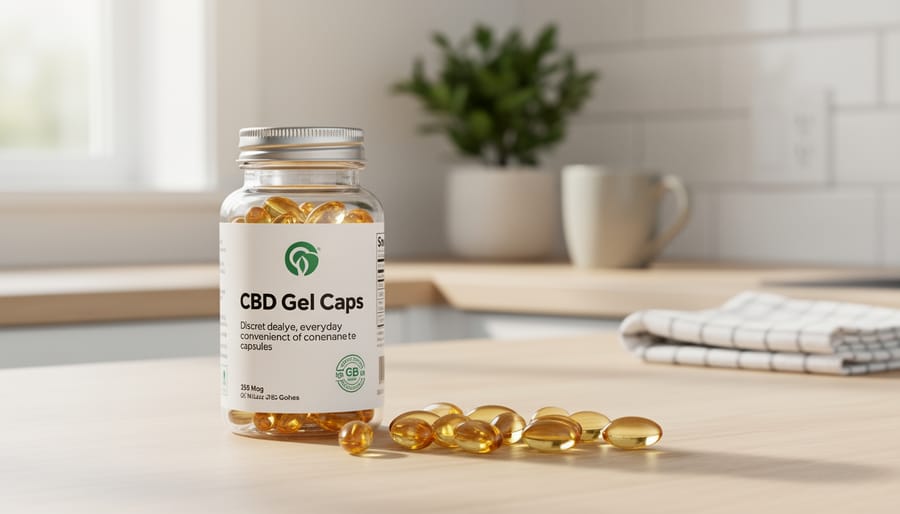
CBD gel caps are soft, easy-to-swallow capsules filled with CBD oil or isolated CBD extract, designed to be taken orally like any other vitamin or supplement. Each capsule contains a pre-measured dose of CBD, commonly 25 mg per cap, sealed inside a gelatin or plant-based shell that dissolves in your stomach, releasing the cannabidiol for absorption through your digestive system. This delivery method appeals to users who want a straightforward, no-fuss way to incorporate CBD into their daily routine without the ritual of measuring drops from a tincture or the vapor inhalation required for vaping.
The main difference between gel caps and other forms lies in convenience and predictability. Unlike CBD oils, which require dosing under the tongue and often have an earthy hemp flavor, capsules are tasteless and discreet. You swallow them with water, just like you would a multivitamin. Compared to CBD gummies vs vape options, gel caps skip the sugar and flavoring found in edibles and offer faster onset than gummies (though still slower than vaping). Vaping delivers CBD almost immediately through the lungs, but the effects taper off within an hour or two. Gel caps, on the other hand, take longer to work because the CBD must pass through your digestive tract and liver before entering your bloodstream, a process that delays onset but extends duration.
This digestive route also affects bioavailability, the percentage of CBD that actually reaches your bloodstream. Oral CBD absorption effects are generally lower than inhaled methods, meaning your body absorbs less of the total dose. However, the trade-off is sustained release. Once absorbed, the CBD circulates gradually, providing steady relief over several hours rather than a sharp peak and drop. This makes gel caps particularly suited to managing ongoing wellness goals, chronic discomfort, anxiety, sleep support, where consistency matters more than immediate impact.
Gel caps come in various formulations, from full-spectrum oils (containing trace amounts of other cannabinoids and terpenes) to pure CBD isolate. The capsule shell itself can be gelatin-based or vegetarian, and some brands offer water-soluble CBD for faster absorption. Regardless of the specific product, the core appeal remains the same: a pre-dosed, portable, and palate-neutral way to take CBD that fits seamlessly into any daily routine.
Key Factors to Consider When Choosing CBD Gel Caps
Understanding Potency and Dosage
Choosing the right potency starts with understanding your experience level and what you’re hoping to achieve. If you’re new to CBD, your body hasn’t built any tolerance yet, so a lower dose helps you gauge how you respond without overwhelming your system. Most beginners find 10-15 mg per capsule a comfortable starting point, enough to notice an effect without feeling overly sedated or experiencing unwanted side effects. This range works well for general wellness support, mild stress relief, or occasional sleep aid.
As you become more familiar with how CBD affects you, you might find those lower doses insufficient for your goals. Experienced users often gravitate toward 25 mg or higher, especially if they’re managing chronic discomfort, persistent anxiety, or deeper sleep issues. The verified 25 mg per capsule example represents a moderate-to-strong dose suitable for daily use once you’ve established your baseline. It’s substantial enough to deliver consistent effects without requiring multiple capsules per serving.
Your wellness goals also shape the right potency choice. Someone seeking subtle daytime calm might stick with 10-15 mg, while another person targeting post-workout recovery or significant stress reduction may need 25-50 mg to feel meaningful impact. Exploring different CBD dosage strengths helps you match the product to your specific needs rather than settling for a one-size-fits-all approach.
Remember, you can always increase your dose gradually, but you can’t undo taking too much. Start low, track how you feel over several days, and adjust upward in small increments until you reach your ideal balance.
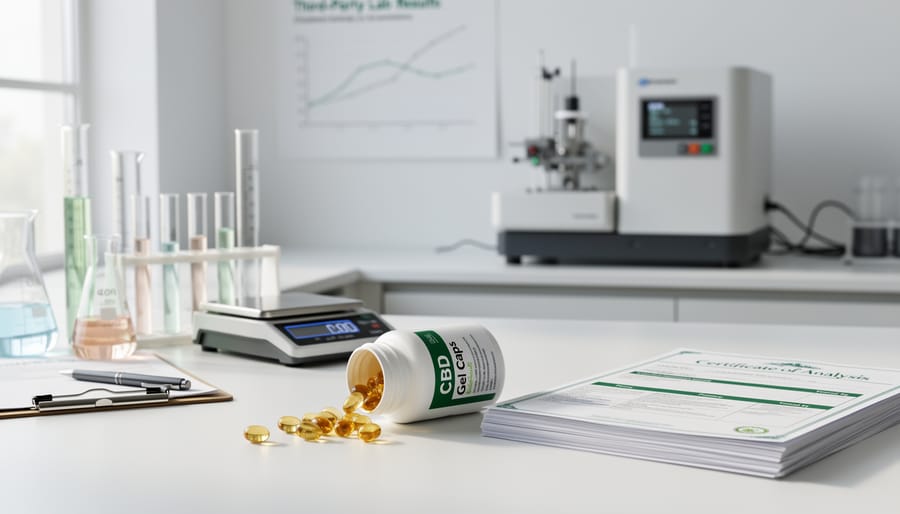
Full-Spectrum, Broad-Spectrum, or Isolate?
Choosing between full-spectrum, broad-spectrum, and isolate CBD comes down to three things: what you want from the CBD, whether you can have trace THC in your system, and how comfortable you are with other cannabis compounds. Each type offers distinct advantages, and none is universally “better”, it depends on your situation.
Full-spectrum CBD contains all the naturally occurring cannabinoids, terpenes, and flavonoids from the hemp plant, including up to 0.3% THC (the legal limit in Canada under the Cannabis Act). This mix of compounds creates what’s called the entourage effect, where cannabinoids work together to potentially enhance therapeutic benefits. If you’re after the full plant experience and don’t face drug testing at work or in sport, full-spectrum is a solid choice. The trace THC won’t get you high, but it can show up on sensitive tests.
Broad-spectrum sits in the middle. It keeps most cannabinoids and terpenes but removes THC entirely through additional processing. You still get some entourage effect without the legal or testing worries. It’s ideal if you want more than pure CBD but need to stay completely THC-free.
CBD isolate is just that: pure CBD with no other cannabinoids, terpenes, or THC. It’s the cleanest option for those who want only CBD’s effects or who must avoid any trace of other compounds. While you miss out on the entourage effect, isolate offers predictability and zero risk of THC exposure. Health Canada provides detailed guidance on CBD isolate spectrum types to help consumers understand the regulatory distinctions.
| Type | THC Content | Entourage Effect | Best For |
|---|---|---|---|
| Full-Spectrum | Up to 0.3% | Yes (all cannabinoids) | Maximum therapeutic benefit, no drug testing concerns |
| Broad-Spectrum | 0% (THC removed) | Partial (cannabinoids minus THC) | Entourage effect without THC, athletes, professionals |
| Isolate | 0% | No (CBD only) | Pure CBD effects, strict drug testing, maximum control |
Your choice should align with your wellness goals and lifestyle constraints. If your employer or sport organization conducts random drug tests, stick with broad-spectrum or isolate. If you want the widest range of plant compounds and THC isn’t an issue, full-spectrum delivers. And if you prefer a clean, single-compound approach or have sensitivity concerns, isolate gives you exactly what you expect, nothing more.
Types of CBD Gel Caps Compared
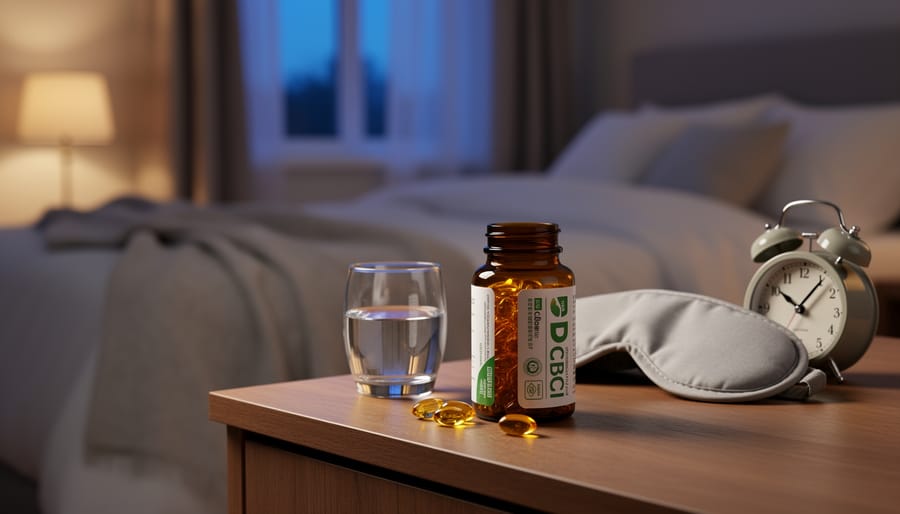
CBD gel caps aren’t one-size-fits-all. Manufacturers have developed specialized formulations to address different wellness needs, and understanding these variations helps you choose a product that aligns with your goals. Within the broader capsules product category, you’ll encounter several distinct types, each designed for specific use cases.
Fast-Acting Water-Soluble CBD Capsules
These use nano-emulsion technology to break CBD into smaller particles, improving absorption speed. Unlike standard oil-based capsules that can take 45 to 90 minutes to kick in, water-soluble versions may deliver effects within 15 to 30 minutes. They’re ideal if you need quicker relief for acute discomfort or pre-event anxiety, though they typically cost more due to the specialized processing.
Extended-Release Formulas
Extended-release capsules gradually release CBD over four to six hours, maintaining steadier blood levels throughout the day. This format works well for chronic conditions requiring consistent support, think ongoing inflammation, background stress, or general wellness maintenance. You take fewer doses and avoid the peaks and valleys of immediate-release options.
Nighttime CBD Blends
Sleep-focused capsules combine CBD with melatonin, CBN (cannabinol, a mildly sedating cannabinoid), or calming herbs like valerian or passionflower. The CBD addresses racing thoughts and physical tension, while the added ingredients target different aspects of sleep architecture. If you’re exploring CBD strains for anxiety relief, a nighttime formula can double as an evening wind-down routine without the ritual of vaping or tinctures before bed.
Daytime Energy or Focus Blends
Some capsules pair CBD with adaptogens like ashwagandha or rhodiola, B vitamins, or small amounts of caffeine to support alertness without jitters. These target daytime stress management or midday focus slumps. The CBD tempers any overstimulation from caffeine while still providing its calming benefits.
Athletic Recovery Formulations
These often include turmeric, ginger, or omega-3s alongside CBD to target inflammation and muscle soreness. Athletes appreciate the convenience of a pre- or post-workout capsule, especially when traveling. For a broader look at topical and ingestible options, check out other CBD recovery options that complement capsule routines.
Most capsules come in standard 60-count jars with consistent dosing (like 25 mg per cap), making it easy to track intake and reorder. Match the formulation to your primary need rather than chasing the newest blend, specificity beats novelty.
Our Recommendations for Different Needs
Choosing CBD gel caps doesn’t require navigating dozens of brands, it requires knowing what to look for based on your specific needs and experience level. Here’s how to evaluate options across different use cases, focusing on the criteria that matter most.
For beginners new to CBD, start with lower-potency capsules in the 10-15 mg range and opt for broad-spectrum formulations. Broad-spectrum offers the potential benefits of multiple cannabinoids without the trace THC found in full-spectrum products, which can be reassuring if you’re uncertain about how CBD will affect you or have concerns about drug testing. Look for products that clearly state their cannabinoid profile on the label and provide easy access to their certificate of analysis (COA). Beginners benefit from brands that offer detailed dosing guidance and transparent ingredient lists, making it easier to understand exactly what you’re taking.
Experienced users who’ve already established their tolerance can consider capsules at 25 mg or higher, often formulated as full-spectrum to capture the entourage effect, where CBD works synergistically with other cannabinoids and terpenes. At this potency level, verify that the product still complies with Canadian legal limits for THC content and that the manufacturer provides batch-specific lab testing. Full-spectrum users should prioritize suppliers who can demonstrate consistent cannabinoid ratios across production runs, as this consistency directly impacts the predictability of effects.
For sleep support, seek out nighttime formulations that combine CBD with complementary compounds like melatonin, CBN (cannabinol), or calming botanicals such as chamomile or valerian root. These blends are designed for evening use, and the added ingredients can enhance the relaxation response. Evaluate the total cannabinoid content alongside the auxiliary ingredients, you want enough CBD to be effective (typically 20-25 mg) without excessive melatonin that might leave you groggy. Check that nighttime formulas still meet the same lab testing standards as standalone CBD capsules.
Travelers appreciate the discreet, pre-measured nature of gel caps, which require no preparation and fit easily into carry-on bags. When evaluating travel-friendly options, prioritize individually sealed blister packs or tamper-evident bottles that clearly display the product’s compliance with cannabis regulations. Packaging should include all required legal labeling so you can demonstrate the product’s legitimacy if questioned. Moderate potencies (15-20 mg) often strike the right balance for on-the-go use without overwhelming effects.
For best value, calculate the cost per milligram of CBD rather than simply comparing bottle prices. Larger formats, such as 60-count jars at 25 mg per capsule, often deliver better value than smaller starter packs. However, value shouldn’t come at the expense of quality, bulk options must still provide third-party testing, transparent sourcing, and regulatory compliance. Avoid heavily discounted products from unverified sources, as these frequently lack proper testing or contain inaccurate labeling.
Common Mistakes to Avoid When Buying CBD Gel Caps
Buying CBD gel caps without doing your homework is a quick path to wasted money and potential safety issues. The most common mistake is skipping third-party lab testing verification, no certificate of analysis means you can’t confirm what’s actually in the capsules, or whether the CBD content matches the label. Some brands skip testing altogether or hide results, which is a red flag given that CBD products are subject to all of the rules and requirements that apply to cannabis under the Cannabis Act and its regulations in Canada.
Price shopping alone is another trap. While budget-friendly options exist, rock-bottom prices often signal corners cut on quality, sourcing, or testing. You’re better off paying a fair rate for a product with transparent lab results than saving a few dollars on something that might contain contaminants or negligible CBD.
Don’t overlook THC content, especially if you’re subject to drug testing or sensitive to psychoactive effects. Canadian law sets strict limits, and reputable brands will clearly state THC levels on the label and COA. Ignoring this detail can lead to unwanted effects or legal complications.
Watch out for these warning signs when evaluating products:
- No certificate of analysis available or accessible
- Vague or incomplete labeling without clear CBD and THC content
- Exaggerated health claims like “cures” or “treats” specific diseases
- Suspiciously low prices compared to competitors
- Absence of customer reviews or brand transparency
- Unverified sources or retailers with no regulatory oversight
Falling for overblown health claims is particularly risky. While research shows promise for certain uses, such as CBD for arthritis no supplement can legally claim to cure or treat disease without clinical approval. If a brand makes sweeping medical promises, walk away.
Finally, check ingredient lists for allergens. Gel caps often use gelatin (not suitable for vegetarians), and some formulas contain soy, dairy, or gluten. If you have dietary restrictions or sensitivities, verify capsule material and carrier oils before purchasing. Quality brands will list all ingredients clearly and offer vegetarian alternatives when possible.
Frequently Asked Questions About CBD Gel Caps
Whether you’re new to CBD or considering switching to capsules, you likely have questions about how they work in practice. Below we address the most common queries we hear from readers navigating the world of CBD gel caps in 2026.
How long do CBD gel caps take to work?
Most users feel effects within 45 minutes to 2 hours after taking a capsule, depending on metabolism, stomach contents, and individual body chemistry. Because the CBD must pass through your digestive system before entering your bloodstream, onset is slower than vaping or sublingual oils, but effects typically last longer (4-6 hours).
Are CBD gel caps legal in Canada?
Yes, CBD products are legal in Canada under the Cannabis Act, provided they meet strict regulatory standards for testing, labeling, and THC content. All legally sold CBD gel caps must come from licensed producers and include third-party lab verification.
What’s the difference between gel caps and softgels?
The terms are often used interchangeably, but technically, gel caps refer to hard two-piece capsules filled with oil, while softgels are one-piece shells that seal the CBD oil inside. Both deliver the same active ingredient; the choice comes down to texture preference and vegetarian options (plant-based shells vs. gelatin).
Can I take CBD gel caps with other supplements or medications?
CBD can interact with certain medications, especially those metabolized by liver enzymes. Always consult your healthcare provider before combining CBD with prescription drugs, over-the-counter medications, or other supplements, particularly blood thinners, sedatives, or medications with grapefruit warnings.
How should I store CBD gel caps, and do they expire?
Store capsules in a cool, dry place away from direct sunlight to preserve potency; avoid humid environments like bathrooms. Most CBD gel caps have a shelf life of 12-24 months when stored properly, but always check the expiration date on the label and the manufacturer’s capsule format guidance for specifics.
One question that comes up often is whether you need to take CBD gel caps with food. While they’ll work on an empty stomach, taking them with a small meal that contains healthy fats can improve absorption, since CBD is fat-soluble. A spoonful of nut butter, avocado, or even a glass of whole milk can help your body utilize more of the active ingredient.
Another common concern is whether tolerance builds over time. Some users find their ideal dose shifts after weeks of consistent use, but true tolerance (where the same dose becomes ineffective) is rare with CBD. If you notice diminishing effects, it may be worth cycling off for a few days or reassessing your product quality and potency.
Finally, many readers ask if they can open the capsules and mix the oil into food or drinks. While possible, doing so defeats the purpose of the pre-measured, tasteless format that makes gel caps appealing. If you prefer flexible dosing or faster onset, a tincture might be a better choice than capsules.
CBD gel caps have earned their place in the wellness toolkit for good reason. They deliver consistent, pre-measured doses without the guesswork of tinctures or the attention that vaping attracts. You get a tasteless, portable option that fits into any routine, whether you’re managing stress, supporting sleep, or simply exploring what CBD can do for you.
But convenience means nothing if the product falls short on quality. Third-party lab testing isn’t optional, it’s your confirmation that what’s on the label matches what’s in the capsule, and that THC levels stay within legal limits under the Cannabis Act. Don’t skip the COA, and don’t settle for brands that won’t share one.
Choose potency that aligns with your experience and goals. Start lower if you’re new, trust reputable sources, and avoid chasing the cheapest option on the shelf. Quality ingredients, transparent sourcing, and regulatory compliance separate effective products from wasted money.
And here’s the non-negotiable: talk to your healthcare provider before adding CBD to your regimen, especially if you take medications or manage a health condition. Informed choices beat trial and error every time. At Vape Heaven, we’re committed to helping you navigate the 2026 landscape with clarity and confidence.